

Wilsonart Timeline
70 YEARS OF INNOVATION, CREATIVITY, AND CUSTOMER JOY

The Wilsonart story is one of entrepreneurship, work ethic, and passion that is part of our legacy to this day. The company was founded by Ralph Wilson, Sr., in 1956 with the promise to deliver “laminate anywhere in the United States in 10 days or less.”
Today, Wilsonart, with its variety of brands, is one of the world’s leading manufacturers and distributors of high-pressure laminate, quartz, solid surface, and other engineered surfaces used throughout the spaces people work and live—while still honoring its founding philosophy: one surface, one customer at a time.
1950s
The 1950s were when it all began.
1956
| • | The Ralph Wilson Plastics Company (RWP), which later became Wilsonart, began producing decorative laminate with just 45 employees, a single laminate press, and a 40,000-square-foot facility in Temple, Texas. |
| • | RWP opened its first distribution warehouse in Los Angeles, and its first shipment, unloaded the day after Labor Day, was cut into sheets with a circular saw and delivered to customers in the back of George Hester's 1953 Buick. George, a former associate of his, had been recruited by Ralph Wilson Sr. to join RWP and eventually became the company’s vice president of facilities planning. |
| • | Despite facing steep competition in the industry, the company’s early production laid the foundation for its growth and success. |
1957
| • | Just a year after launch, 50 colors and designs of laminate were offered. |
| • | The "Ten working days anywhere in the USA!” service guarantee set the company apart. To back up its promise to customers, RWP bought trucks, each staffed by two over-the-road drivers, for continuous operations. |
1958
| • | Wilsonart Founder Ralph Wilson Sr. began building his home, now known as the Wilson House, and completed it in 1959. The house, designed by his daughter, was both his personal home and a testing site and model home for RWP products. Now owned by Wilsonart, the Wilson House was later awarded National Landmark status by the Texas Historical Commission and was listed on the National Register of Historic Places as a significant architectural structure. |
1959
| • | RWP’s production facility more than doubled in size to 105,000 square feet, and the number of laminate colors and designs increased to 70. |
The original Wilson Art laminate product logo.
Growing the fleet to deliver in "10 working days"
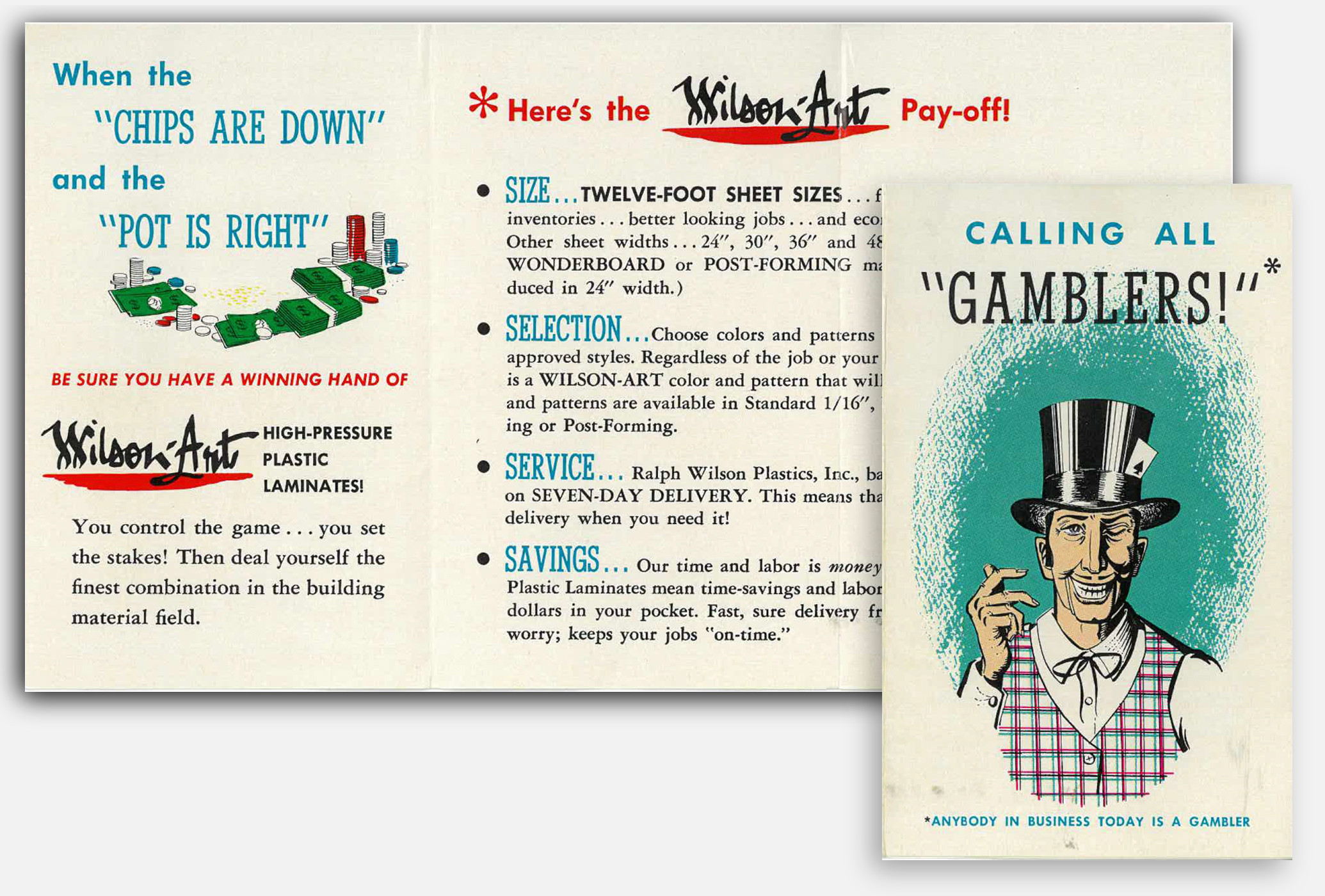
Early marketing materials promised “…the finest combination in the building material field.”
1960s
The 1960s were a time of early growth and innovation.
1961
| • | A major turning point in production came with the purchase of Press No. 3—the first 5' x 12' press used to produce postforming laminate. RWP was the first in the industry to adopt this size press, enabling two kitchen countertops to be produced from a single sheet in one pressing. |
1964
| • | RWP became a publicly-held corporation with an initial offering of 290,000 shares at $15 per share. |
1965
| • | The Ralph Wilson Boys Club was established to provide a safe space where school-age children could participate in healthy activities. It eventually became open to boys and girls and is now known as the Ralph Wilson Youth Club. |
1967
| • | Regional warehouses had opened and were operating in New York, Philadelphia, Chicago, Los Angeles, San Francisco, Seattle, and Atlanta. |
| • | Four laminate presses were online to accommodate a twelvefold increase in demand over 10 years. |
Early days in the warehouse, including a visit from Ralph Wilson, Sr., and a decidedly pre-OSHA take on “safety first.”
The inaugural annual report and first trade show appearance— clear markers of a business on the rise.
1970s
The 1970s set the stage for expansion, continuing innovation, and community outreach.
1970
| • | Marking the start of the one-stop shop model, adhesives manufacturing was added with the purchase of Southern General Adhesives, located in Denham Springs, Louisiana. |
1972
| • | Ralph Wilson, Sr., the company's founder, passed away on January 31. Dr. Ralph Wilson was named president and elected to the Board of Directors. |
1975
| • | Two pioneering products, Chem-Surf (now Chemsurf®), a colorful chemical-resistant laminate surfacing, and Tuf-Surf (now High Wear Laminate), an abrasion-resistant laminate surfacing, were introduced. |
1976
| • | Metallic laminates were introduced. |
| • | Distribution expanded with new centers in four cities and continued into three more cities throughout the decade. |
1977
| • | The Ralph Wilson Scholarship Foundation, which was first launched in the 1960s, was formalized. Since then, it continues to award annual scholarships to students attending four-year and junior colleges. |
1979
| • | A state-of-the-art manufacturing plant opened in Fletcher, North Carolina. This more than doubled laminate manufacturing capabilities. |
Factory scenes from the 1970s, including opening day at the new Fletcher facility.
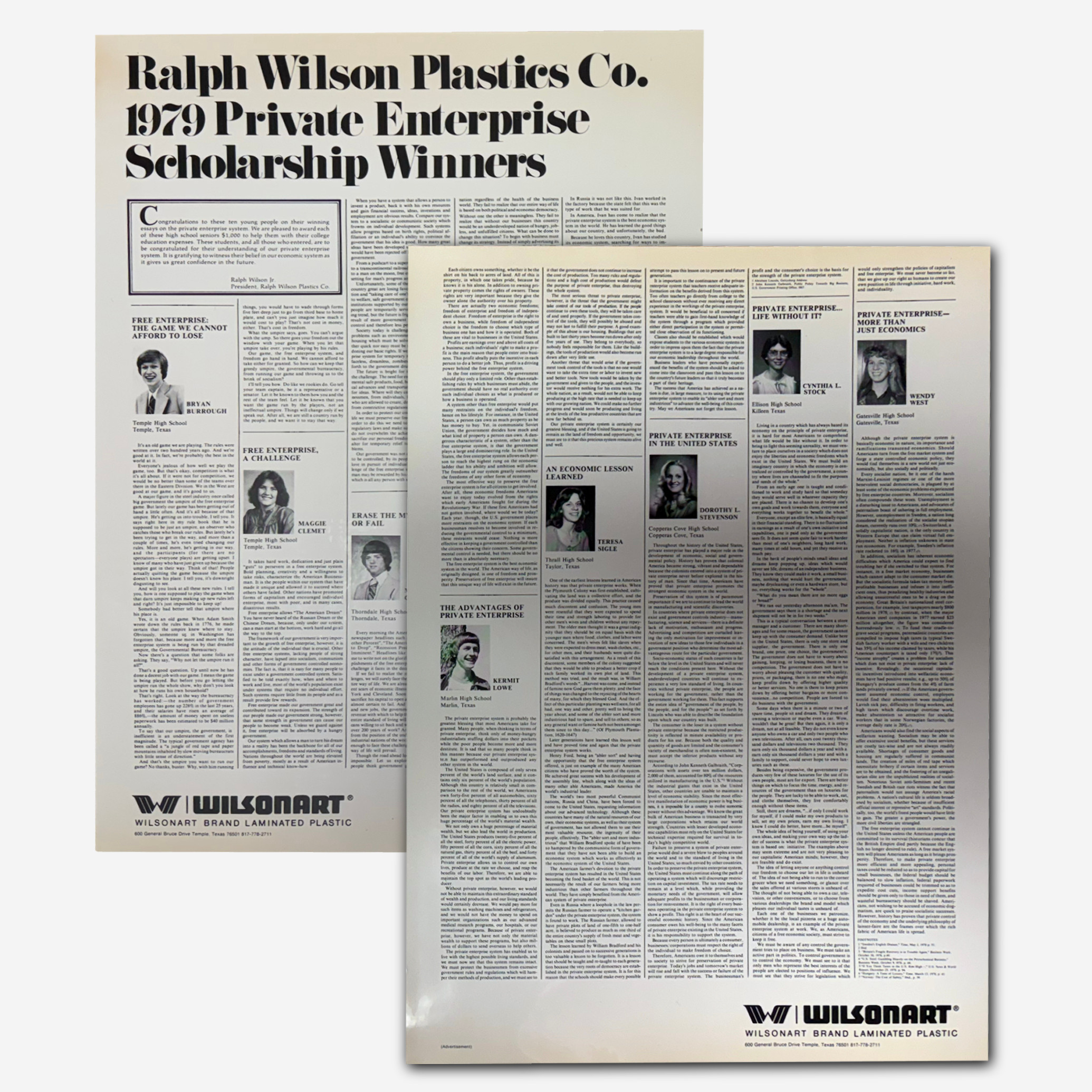
Newsletter featuring early Ralph Wilson Scholarship recipients—an award granted since the 1960s that continues to this day.
1980s
The 1980s featured bold new products and high-profile ad campaigns, including a 1957 Pink T-Bird giveaway!
1980
| • | Wilsonart became the largest producer of decorative laminate in North America. |
1982
| • | The laminate line increased to 160 colors and designs. |
1984
| • | Wilsonart introduced SOLICOR® Colorthrough Decorative Laminate (now known as SOLICOR® Laminate), which allows designers to create surfaces with high-performance characteristics and solid color throughout. |
1986
| • | A third Wilsonart laminate plant, Temple North, came online, three miles from the company headquarters. Temple North was recognized as the world's most state-of-the-art production facility. |
1987
| • | Wilsonart launched a major laminate color expansion with its first integrated marketing campaign, “Renew Your Creative License,” featuring a high-profile sweepstakes for a 1957 Pink T-Bird. This campaign was one of many marketing pushes throughout the decade to increase visibility and reach. |
1988
| • | Craftwood™ Laminates, a composite material that unites the character of real wood with decorative laminate, were introduced. |
Initial architectural concepts and groundbreaking for the Temple North facility.
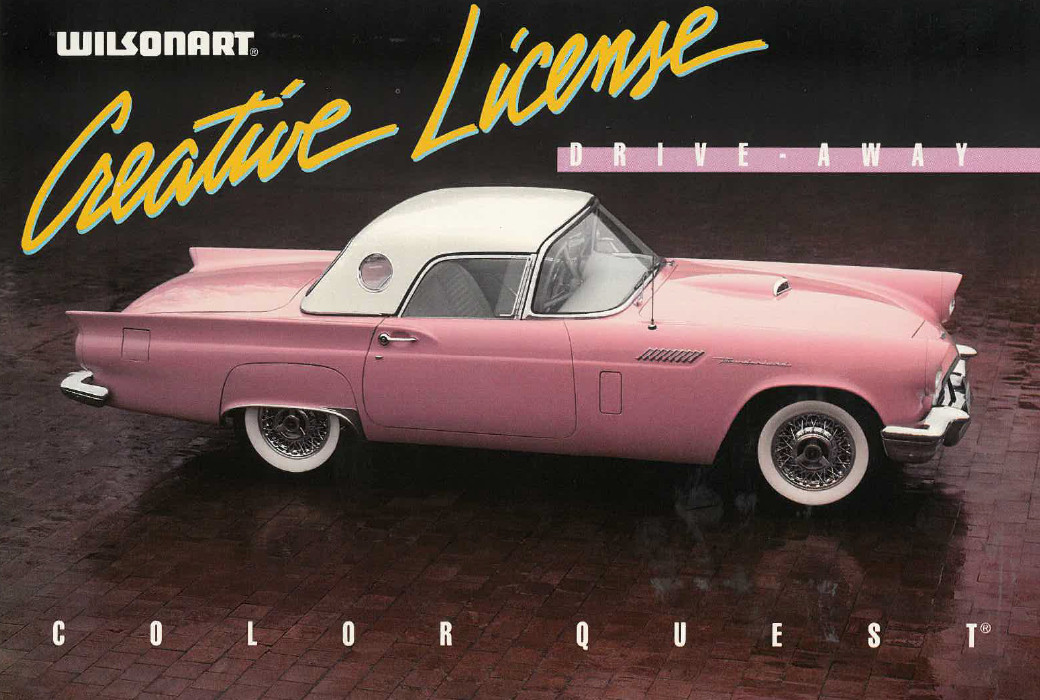
The sweepstakes-winning Thunderbird for the "Renew Your Creative License" campaign
1990s
The 1990s included acquisitions, international growth, production milestones, and recognition.
1990
| • | Marking Wilsonart’s first expansion from laminates to engineered surfaces, the Gibraltar® Solid Surfacing product lines were introduced to the market. |
| • | Wilsonart acquired Suncraft Moldings, which allowed the company to introduce custom-edge products under the brand name Perma-Edge. |
| • | The company modernized its approach to merchandising, updating the sample chip wallboard to a wire-rack hook system, and adding floor- and counter-racks for showrooms. This is the inspiration for today’s merchandising system. |
1991
| • | In a significant production milestone, the Plate Plant began operating, allowing Wilsonart to eliminate the use of disposable foil sheets to create finishes and instead employ reusable steel plates. |
| • | Rift & Cathedral Grain finishes were launched, the first woodgrain laminate offered by Wilsonart. |
1992
| • | The largest laminate design and color introduction in the company’s history was marked by an impactful marketing campaign. The Spirit of Adventure Sweepstakes, with a Ford Explorer as the grand prize, included a traveling road show with many branded giveaways. This was the first of several strategic campaigns that defined Wilsonart’s marketing in the 90s. |
1994
| • | Wilsonart began its global expansion and foreign sales, establishing field offices to serve South America, the Pacific Rim, the Middle East, and Europe. This expansion continued throughout the decade within Europe, Asia, the United Kingdom, and beyond. |
| • | The company earned the prestigious ISO 9000 designation in recognition of its quality processes. |
1995
| • | Wilsonart received the Green Seal recognition for its environmental policies and operations. |
| • | Ralph Wilson Plastics officially became Wilsonart International. At the time, the line had grown to 240 designs. |
| • | Custom laminates, the first truly individualized opportunities for designers to bring brands, graphics, and logos to life in laminates, were introduced. |
| • | Wilsonart began producing laminate flooring and launched it to the residential market the following year. Flooring was discontinued in 2010, as the company refocused on its core surfaces business. |
1997
| • | Wilsonart purchased the historic 1950s home of company founder Ralph Wilson and his wife, Sunny Wilson, restoring it as a museum and archive. Known as the Wilson House, It was later awarded National Landmark status and listed on the National Register of Historic Places. Wilsonart also later received the National Preservation Award from the National Trust for Historic Preservation for its preservation of the house as a unique showcase of 1950s technology and design. |
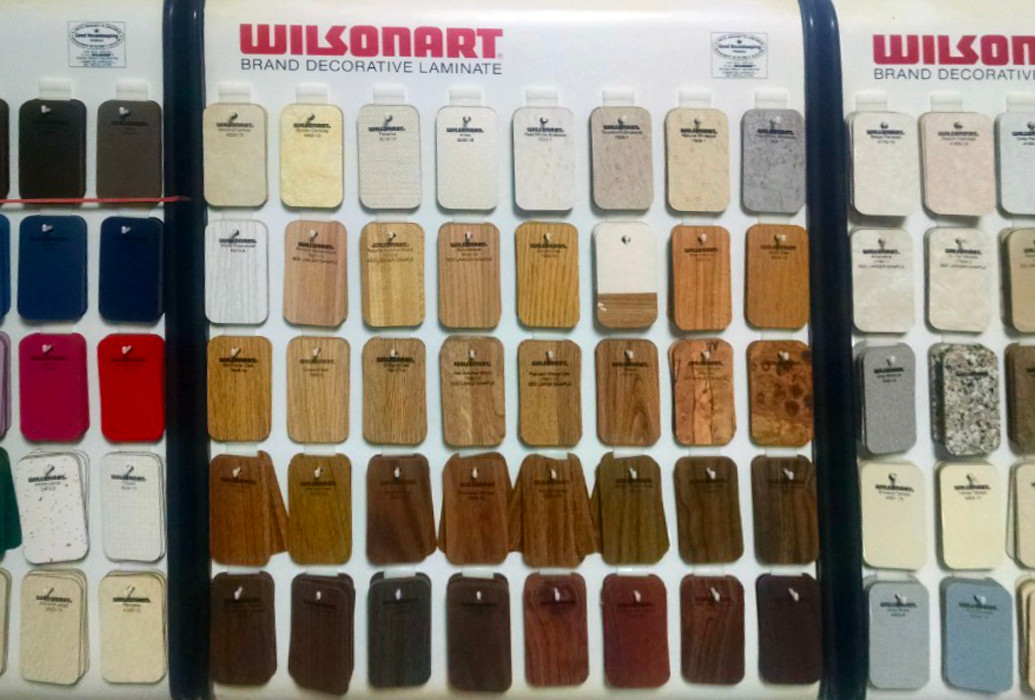
The original hook wallboard, a precursor to today’s merchandising system.
Promotional materials for the Spirit of Adventure sweepstakes, one of several strategic campaigns that defined Wilsonart’s marketing in the 90s.
The historic 1950s home of Ralph Wilson and his wife, Sunny Wilson, preserved as a unique showcase of 1950s technology and design.
2000s
The 2000s were a time of continued growth and expansion.
2001
| • | The Make a Statement Campaign, which continued for many years, kicked off. This campaign was built around a strong advertising investment in media publications. Added memorabilia to support the campaign included postcards, a popular desk calendar, and Chip the Dog, a beloved small plush mascot released annually in limited edition versions for the next several years. |
2004
| • | The Wilsonart Challenge, a high-profile contest for students to design a chair, debuted and continued annually for the next 15 years. Participants included students from Parsons School of Design, Rhode Island School of Design, Savannah College of Art and Design, and more. Many have gone on to leading roles in the design world. |
2006
| • | Wilsonart® HD® High Definition® Laminate was introduced with the addition of AEON™, a high-performance coating that extends the life and beauty of laminate with extra scratch, scuff, and stain resistance. Introduced at a time when premium kitchen finishes, such as granite, were gaining popularity, it provided consumers with a less expensive option with a similar high-end look and feel. |
Print ads for the successful 2000s "Make a Statement" campaign.
Selections from 15 years of The Wilsonart Challenge student design competition.
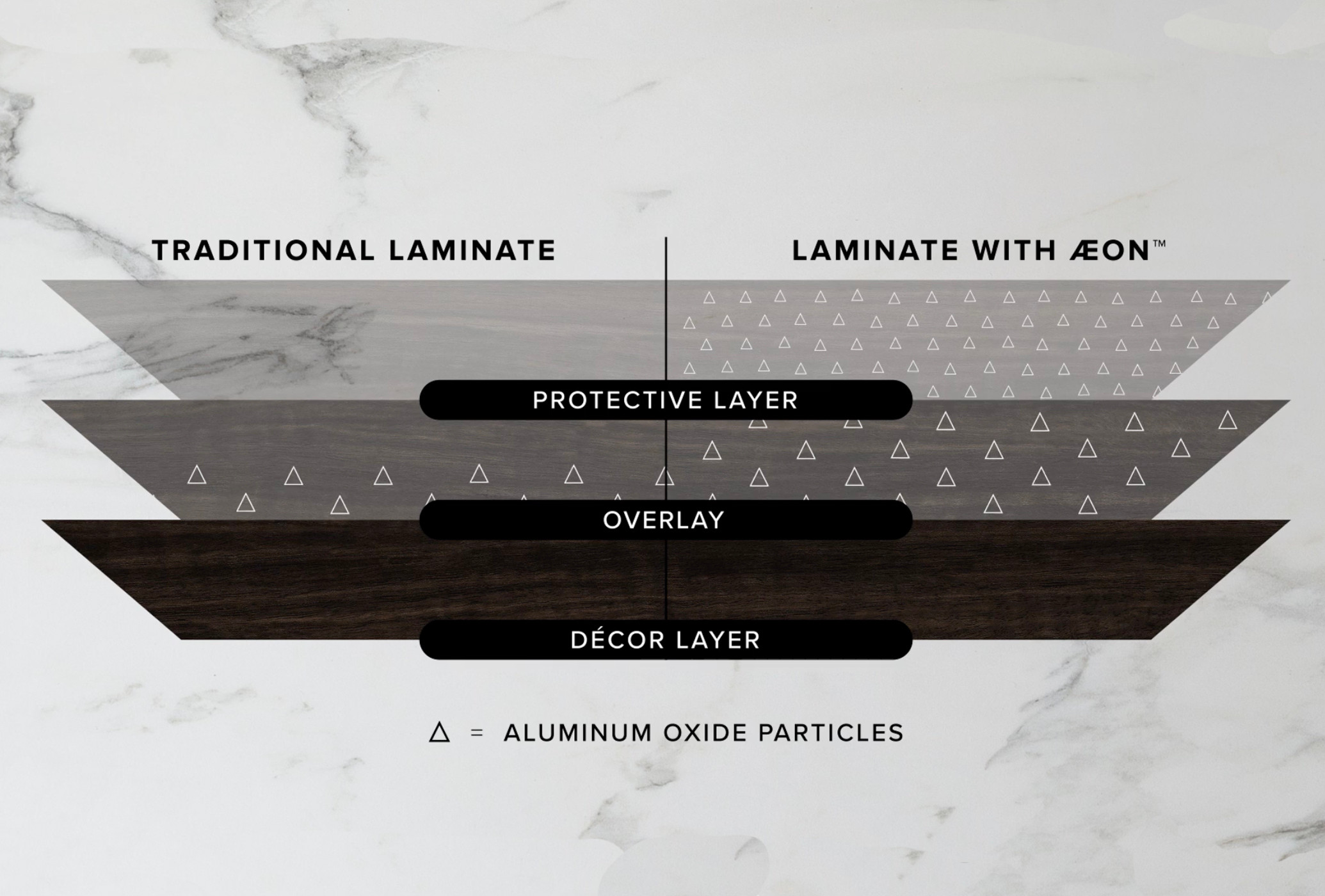
Wilsonart AEON™ technology introduced a new high-performance coating.
2010s
In the 2010s, strategic expansion and product introductions continued.
2013
| • | Wilsonart broke ground on its new U.S. Headquarters in Temple and expanded with a customer center to host tours and more. |
| • | Continuing its commitment to environmental responsibility, Wilsonart partnered with TXU Energy for Cleaner Air for Texans. |
2014
| • | Traceless™ by Wilsonart®, the first fingerprint-resistant laminate for commercial applications, was introduced. |
| • | Wilsonart by You (WXY) one-of-a-kind custom laminate solutions was launched to modernize the company’s custom products offering. |
| • | Embracing digital tools, Wilsonart introduced the Virtual Design Library (VDL), which allowed designers and end users to visualize finishes in a space. |
2015
| • | Wilsonart introduced Wilsonart® Coordinated Surfaces, a suite of products including Wilsonart® High Pressure Laminate, TFL Panels, and Edgeband available in 237 designs that were the best-matched products in the industry in both design and texture. |
| • | Wilsonart® Quartz, with 50 exclusive designs for residential and commercial customers, was introduced. |
| • | The company introduced the new Wilsonart Smart Wallboard sample display. This significant investment in merchandising was a next-level, innovative upgrade showcasing more products and making it easier for designers to choose their materials, colors, and textures. |
2016
| • | Wilsonart began a series of acquisitions of engineered surface businesses in the U.S., the United Kingdom, and Europe. |
| • | Wilsonart won the prestigious National Kitchen & Bath Association (NKBA) President’s Award (now known as the Chairman’s Award). |
2017
| • | As part of a new commercial high-pressure laminate line, Wilsonart introduced the Aligned Oak design collection, a first in aligning texture with wood design. |
2019
| • | Wilsonart introduced Thinscape® Performance Tops, a European-inspired, highly durable, ultra-thin countertop unlike anything else in the marketplace. |
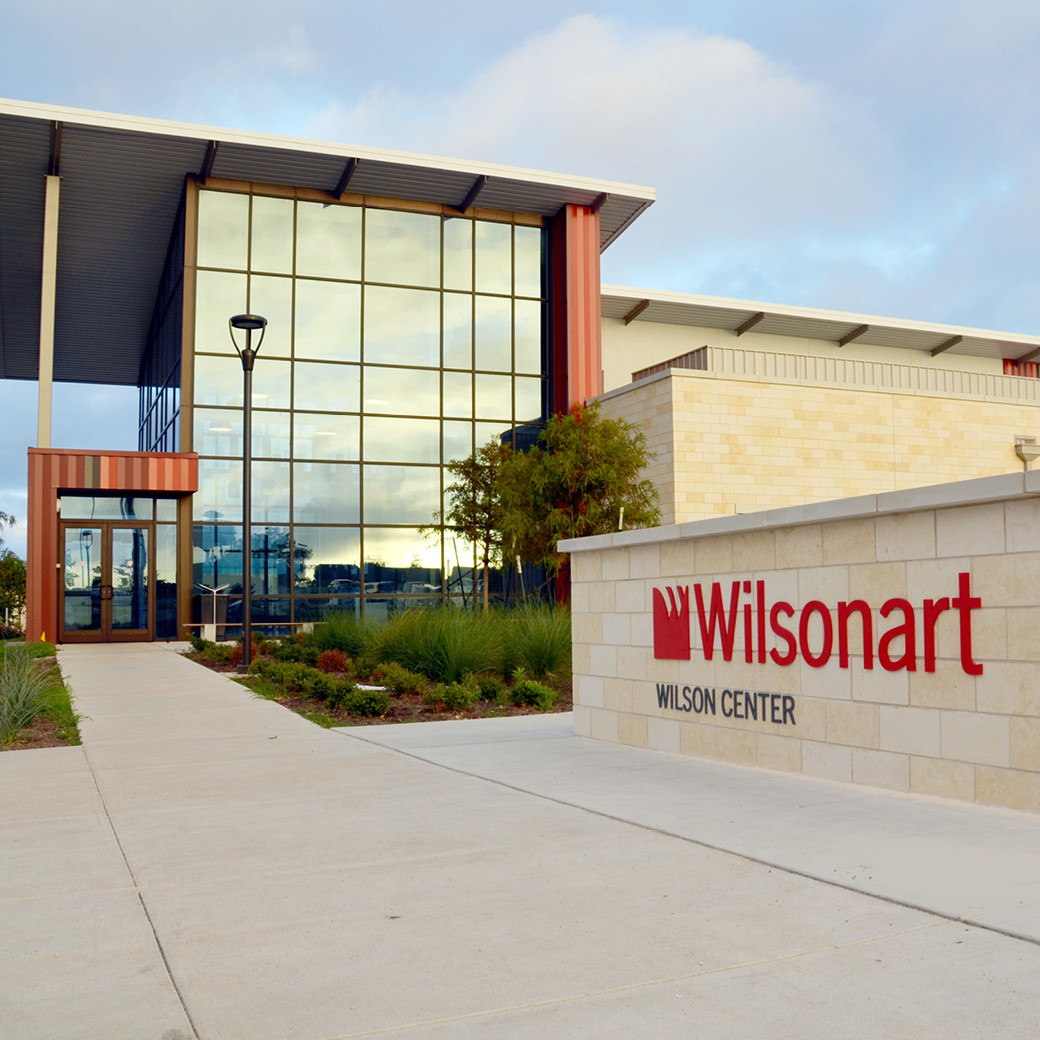
Wilsonart U.S. headquarters in Temple, Texas.
Wilsonart® Coordinated Surfaces and Quartz offered more refined, design-driven solutions.
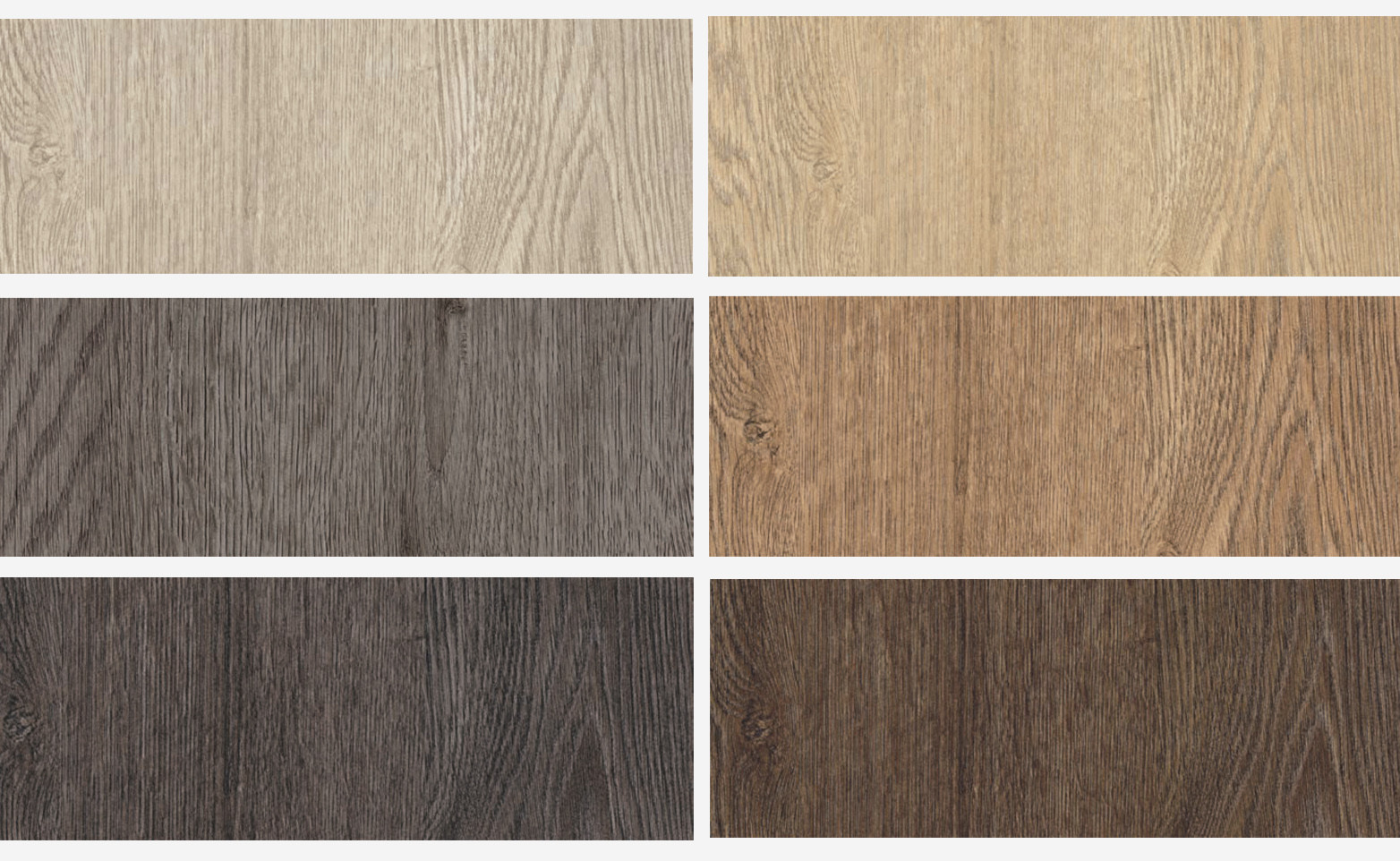
Aligned Oak designs brought a more realistic wood look to laminate, with texture that follows the printed woodgrain.
2020s
In the first half of the 2020s, expansion, innovation, and recognition continued, positioning Wilsonart for the future.
2020
| • | Wilsonart Solid Surface introduced the wide sheet (60") in select designs. |
| • | Wilsonart introduced the Wetwall Waterproof Wall Panel system, a tongue-and-groove, easy-installation wall system for wet spaces. A patented technology in the United States, this introduction represented a key innovation for Wilsonart, following the acquisition of the UK company that developed Wetwall. |
2022
| • | In an industry first, Wilsonart became the first manufacturer in the laminate category to receive the Declare label from the International Living Future Institute (ILFI). |
2023
| • | Two important sustainability milestones for Wilsonart HPL: A Life cycle assessment revealed that it is Carbon Negative, and report confirmed it contains 23% post-consumer recycled content. |
2024
| • | Wilsonart opened its Austin Showroom and Distribution Center. The 10,000-square-foot flagship Showroom and Design Center with office space is the first of its kind for Wilsonart. |
2025
| • | Wilsonart expanded with new distribution centers in Memphis, the Great Plains, and Western Canada. |
| • | Wilsonart opened its state-of-the-art Denver Distribution and Design Center, a 75,000-square-foot facility, as a key part of its continued growth in the region. |
| • |
Wilsonart received three major industry awards for design, product innovation, and sustainability, including: o The industry's first high-pressure laminate feautring no-repeat, large-scale woodgrain designs was introduced. |
The flagship Wilsonart Austin Showroom and Distribution Center
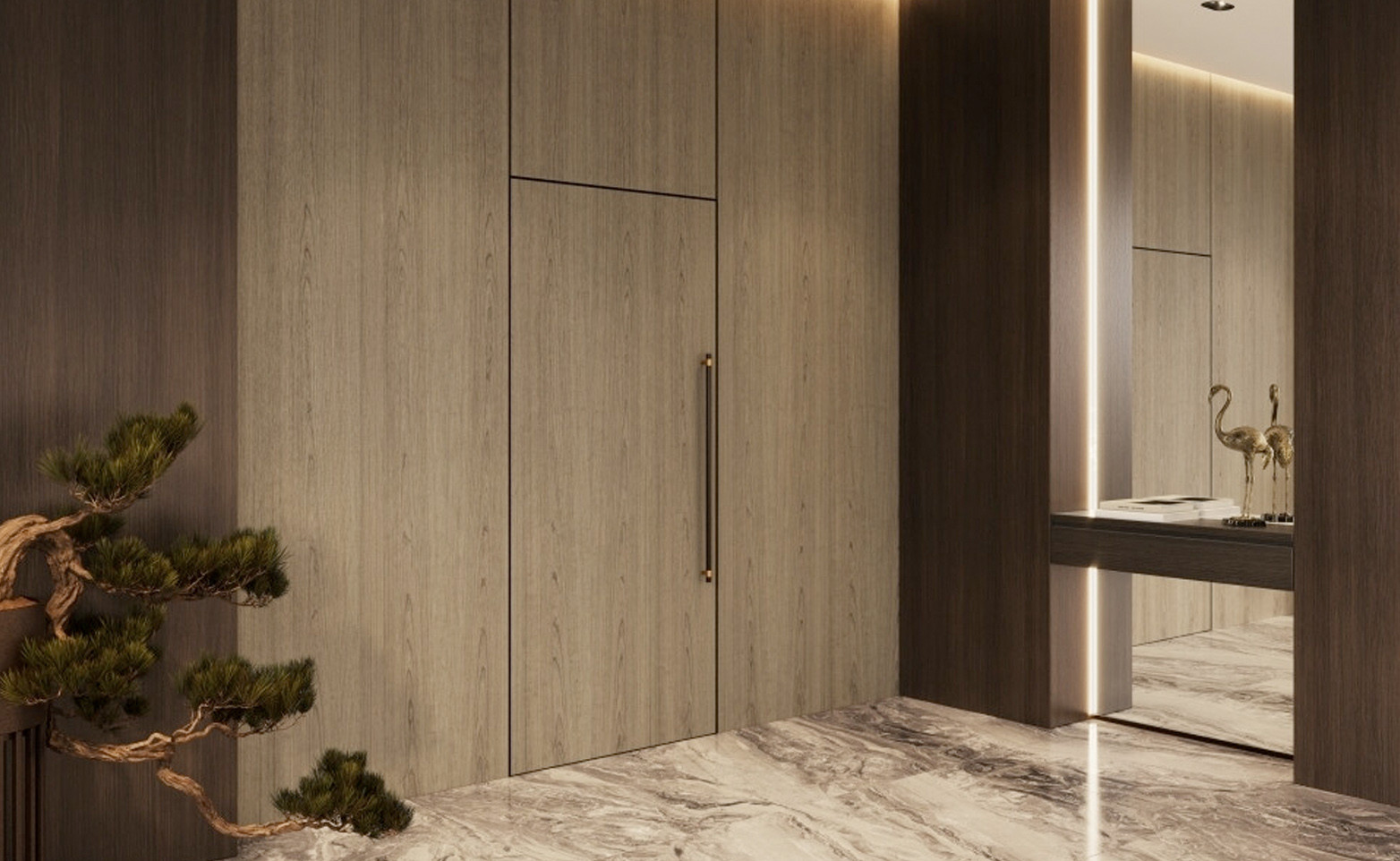
Wilsonart debuted the industry’s first no-repeat large-scale woodgrain designs.
Validate your login
Sign In
Register